A Brief Look at the Twin Cities Transportation System
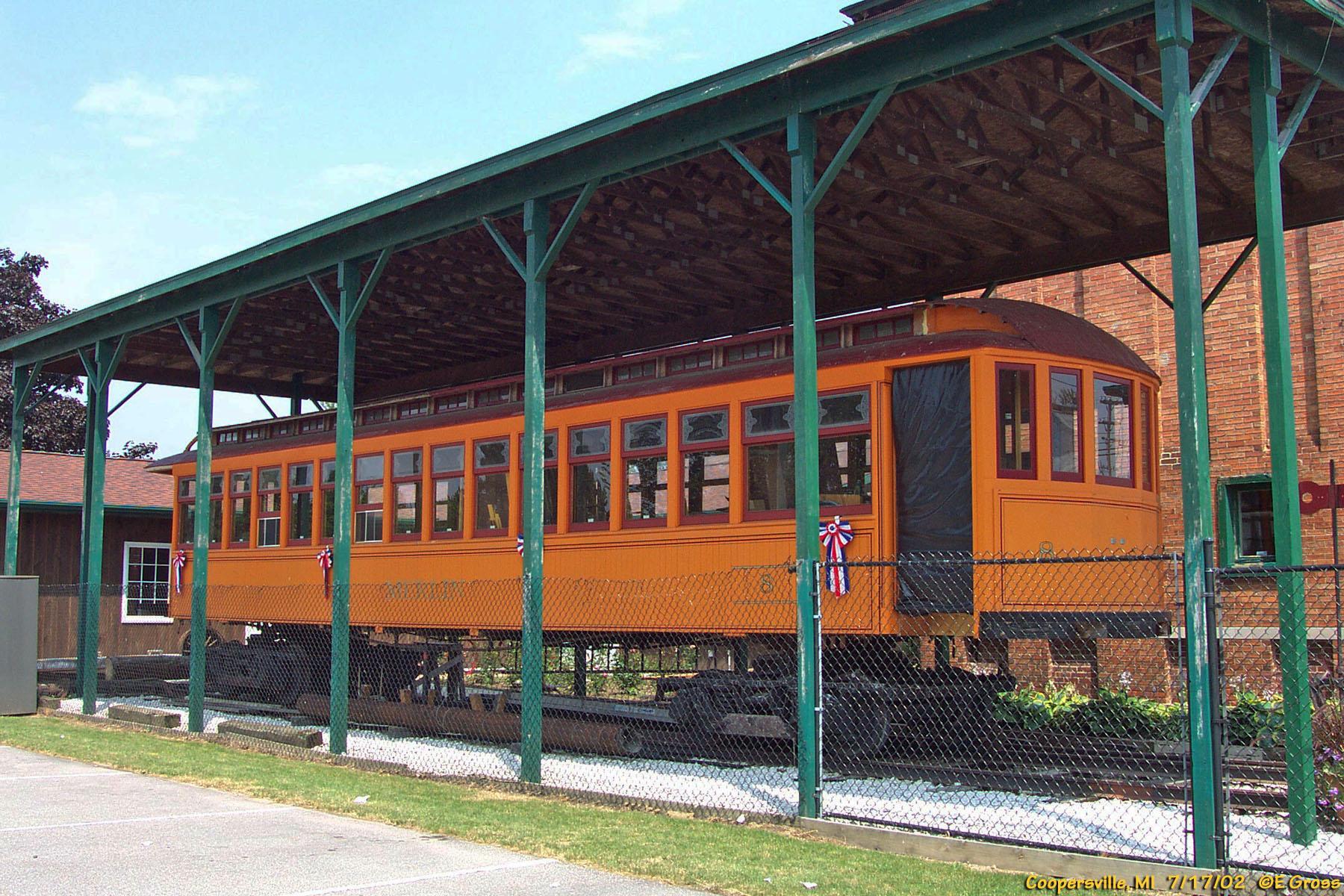
The Twin Cities of Minneapolis and St. Paul have a storied history when it comes to public transit. From horsecar railways to modern buses, this urban center has seen various forms of urban transport shaping the cities' growth and development.
The Beginnings of the Twin Cities Rapid Transit
The story of the Twin Cities' transportation cannot be told without mentioning the Twin Cities Rapid Transit (TCRT) #1267, a testament to historical ingenuity. Built in 1907 by Transit Supply, this gate-entrance, wooden prepayment car has been lovingly restored and is now operable at the Seashore Trolley Museum.
Tracing the Roots: The Early Years of Public Transit
Tracing the history of the Twin Cities' trolley system reveals the evolution of urban transportation. Beginning with the St. Paul Street Railway in 1872, financial hardships led to bankruptcy, which ultimately resulted in a transition to the St. Paul City Railway Company.
Horsecar to Electric: Embracing Technological Progress

In Minneapolis, the horsecar tradition began in 1875 with the Minneapolis Street Railway. As technologies advanced, the cities moved towards electric trolley systems, phasing out horse-drawn and cable cars, which were briefly considered a viable transit option. Political pressures eventually encouraged the switch from cable to electric trolleys in the late 1880s.
Experimental Ventures: Exploring Alternative Power
The experimentation didn't stop at electric trolleys; efforts to innovate led to trials like the "soda motor" for the Minneapolis, Lyndale & Minnetonka Railway, which ultimately returned to steam and then electric power after the experimental technology didn't meet expectations.
Expansion and Innovation: The Rise of TCRT
As transit lines extended and interurban connections formed, the Twin Cities Rapid Transit Company began to dominate the scene, incorporating a variety of trolley cars, including unique double-decker electric trolleys that were eventually phased out due to inefficiency.
Entertainment and Transportation: A Dual Strategy

The TCRT not only operated trolley lines but also engaged in park and excursion operations to increase ridership during non-peak hours. Owning acreage on Big Island, they provided recreational destinations accessible by their service, including an amusement park and hotel.
The Sunset of Trolleys: Transition to Buses
By the 1940s, TCRT had introduced modern PCC cars to their lines. However, buses had begun making their presence felt in the 1920s. Despite the advent of more modern trolley cars, by 1954, trolley lines had been completely replaced by bus services, marking the end of an era for the Twin Cities' iconic trolleys.
Preserving History: TCRT #1267
Although the trolley system is no longer operational, TCRT #1265 lives on at the Seashore Trolley Museum. Enthusiasts and historians alike celebrate this relic of transportation history, as it continues to illuminate the past for future generations.